How to Read Tire Sidewall Markings: A Complete Guide
TL;DR
Learn what every number and symbol on your tire sidewall means — size, load rating, speed rating, DOT code, and more. Explained in plain English.
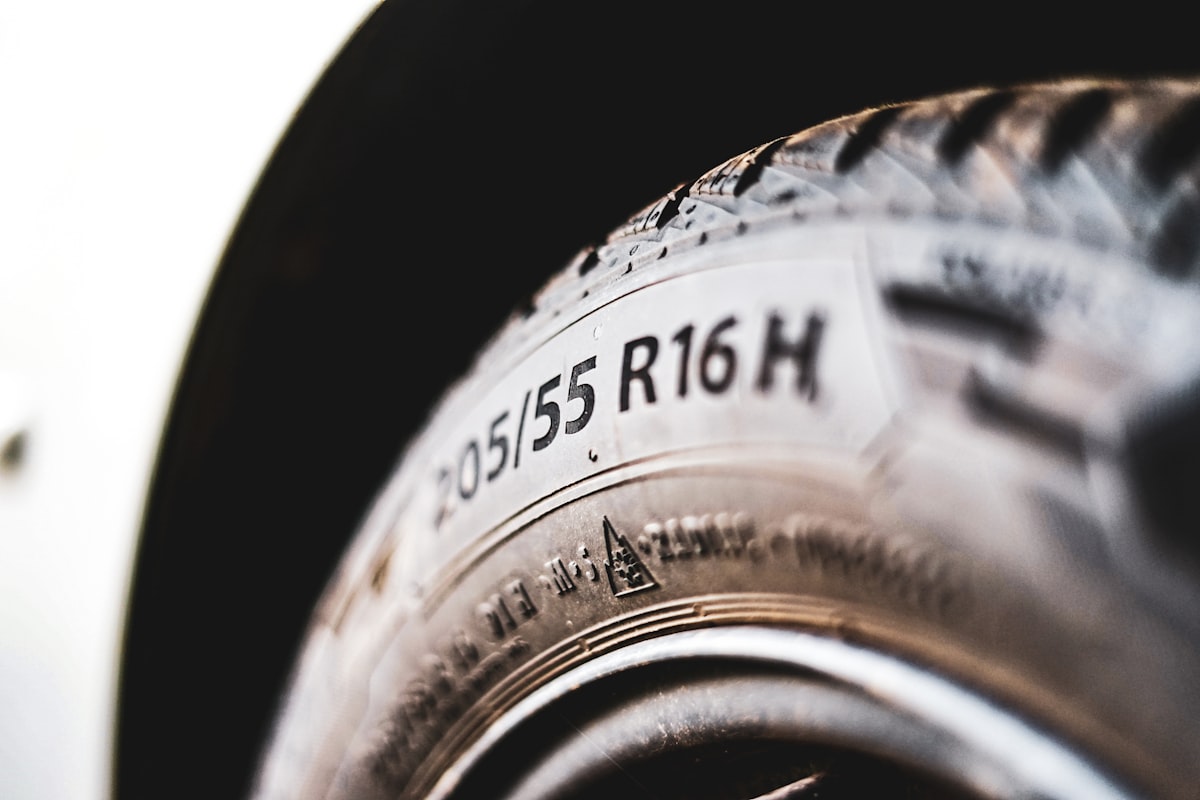
Your tire sidewall is covered in numbers, letters, and symbols — and most of them are actually useful. Once you know how to decode them, you can figure out your tire size, how much weight they can carry, how fast they're rated for, and exactly when they were made.
Here's a plain-English guide to every marking that matters.
The Tire Size Code
The most prominent marking on any tire sidewall is the size code. It looks something like this: P225/65R17 102H
Let's break that down piece by piece.
P — Tire Type
The letter at the start tells you what kind of vehicle the tire is designed for:
- P = Passenger vehicle (cars, SUVs, light trucks)
- LT = Light truck (heavier-duty trucks and vans)
- ST = Special trailer (trailer-only tires)
- No letter = Euro-metric sizing (common on European brands, functionally similar to P-metric)
225 — Section Width
This is the tire's width in millimeters, measured from sidewall to sidewall when properly mounted and inflated. A 225mm tire is about 8.9 inches wide. Wider tires generally offer more grip but create more rolling resistance.
65 — Aspect Ratio
The aspect ratio is the sidewall height expressed as a percentage of the width. A 65 means the sidewall height is 65% of 225mm — about 146mm or 5.75 inches. Lower numbers mean a shorter, sportier sidewall. Higher numbers mean a taller, more comfortable ride.
R — Construction Type
- R = Radial (virtually all modern tires)
- B = Bias-ply (rare today, found on some trailers and vintage vehicles)
- D = Diagonal (another term for bias-ply)
17 — Wheel Diameter
The diameter of the wheel the tire fits, measured in inches. This must match your wheel exactly — a 17-inch tire only fits a 17-inch rim.
102 — Load Index
The load index is a numerical code that corresponds to the maximum weight the tire can support when properly inflated. You need a lookup table to translate it, but here are some common values:
| Load Index | Max Weight (lbs) |
|---|---|
| 91 | 1,356 |
| 95 | 1,521 |
| 100 | 1,764 |
| 102 | 1,874 |
| 106 | 2,094 |
| 110 | 2,337 |
A load index of 102 means each tire can carry up to 1,874 lbs. Multiply by four and that's your vehicle's total tire-supported weight capacity.
H — Speed Rating
The speed rating is a letter code indicating the maximum sustained speed the tire is designed for:
| Rating | Max Speed (mph) |
|---|---|
| S | 112 |
| T | 118 |
| H | 130 |
| V | 149 |
| W | 168 |
| Y | 186 |
An H-rated tire is safe for sustained speeds up to 130 mph. Always replace tires with the same speed rating or higher — never lower.
The DOT Code
This is arguably the most important marking on your sidewall, and it's the one most people overlook. The DOT code looks something like: DOT XXXXXXXX 2419
The letters "DOT" confirm that the tire meets Department of Transportation safety standards. The characters that follow identify the manufacturing plant, tire size, and brand-specific codes. But the part you really care about is the last four digits — the date code.
- First two digits = week of manufacture (01–52)
- Last two digits = year of manufacture
So 2419 means the tire was made in week 24 of 2019 — that's early June 2019.
Tire age is critical for safety. Rubber degrades over time even if the tread looks fine. You can check your tire age free by entering those four digits into TireSpy — you'll get an instant safety verdict based on your tire type.
UTQG Ratings
On passenger car tires, you'll find three Uniform Tire Quality Grading scores mandated by the U.S. government:
Treadwear
A comparative number indicating expected tread life. A tire rated 400 should last twice as long as one rated 200 under the same test conditions. The baseline reference tire is rated 100. Most passenger tires fall between 300 and 700.
Traction
Measures wet braking grip on a standardized surface. Grades from best to worst: AA, A, B, C. Most modern tires are rated A or AA.
Temperature
Indicates the tire's ability to dissipate heat at speed. Grades: A, B, C (A being the best). All tires sold in the US must meet at least a C rating.
M+S and 3PMSF Symbols
If you see M+S (or M/S, M&S) on the sidewall, the tire is rated for mud and snow conditions. This is a self-certified designation by the manufacturer — it means the tread pattern is designed for light winter use, but it doesn't guarantee true winter performance.
For genuine winter capability, look for the 3PMSF symbol — a mountain with a snowflake inside. This means the tire has passed an industry-standard severe snow traction test. It's the gold standard for winter driving.
Maximum Pressure vs. Recommended Pressure
The sidewall stamping that reads something like Max Press 51 PSI is the tire's maximum safe inflation pressure — not the pressure you should run day-to-day. Your recommended tire pressure is on a sticker inside the driver's door jamb or in your owner's manual, and it's typically lower than the sidewall max.
Over-inflating to the max reduces your contact patch, worsens ride quality, and causes uneven center wear. Under-inflating generates excess heat and wears the edges faster. Stick to the vehicle manufacturer's recommendation.
When to Act on What You've Read
Once you understand your sidewall markings, put that knowledge to work:
- Check the DOT code to see if your tires are due for replacement based on age. Use our free tire age checker — it takes ten seconds.
- Verify the load and speed ratings match your vehicle's requirements, especially if you're shopping for replacements.
- Compare UTQG scores when choosing between tire models to get a sense of relative tread life and wet grip.
If your tires are aging out or you need to match specific size and rating requirements, find replacement tires from top-rated retailers with free shipping and professional installation.
The Bottom Line
Your tire sidewall is a cheat sheet for everything you need to know about what's on your car. The size code tells you fitment and performance characteristics. The DOT code tells you how old the tire is. The UTQG scores help you compare options. And the M+S or 3PMSF symbols tell you whether you're ready for winter.
Learn to read these markings once and you'll make smarter decisions about tire safety, replacement timing, and purchases for the life of every vehicle you own.
Share this article
If it's time to replace them
Tire Rack
America's #1 online tire retailer. Huge selection, competitive prices, and a network of 10,000+ installer locations.
- ✓ 10,000+ installer locations
- ✓ Free shipping
- ✓ 60-day returns
Affiliate link — we may earn a commission at no extra cost to you.
Not Sure If Your Tires Are Safe?
Decode your DOT code and get an instant safety verdict — free, no sign-up required.
Decode Your DOT Code Free