Tire Age Limits by Manufacturer: What Michelin, Bridgestone & Goodyear Recommend
TL;DR
See what every major tire manufacturer recommends for tire age limits. Official guidelines from Michelin, Bridgestone, Goodyear, Continental, Pirelli, and Dunlop — plus what the NHTSA says.
Every major tire manufacturer publishes official guidance on how long their tires should be used — and most drivers have never read it. The numbers are surprisingly conservative: most manufacturers recommend replacing tires between 6 and 10 years from the date of manufacture, even if the tread looks brand new.
Here's what each one actually says.
TL;DR — The Quick Answer
- Every major manufacturer sets a 10-year hard limit from the date of manufacture.
- Most recommend professional inspection starting at 5–6 years.
- The NHTSA recommends replacement at 6 years of service, regardless of tread.
- Age limits apply even if the tire has never been mounted or driven on.
- Check your tire's age instantly with the free TireSpy DOT checker.
Manufacturer Age Limits at a Glance
| Manufacturer | Inspect After | Replace By | Notes |
|---|---|---|---|
| Michelin | 5 years | 10 years | Annual professional inspection after 5 years |
| Bridgestone | 5 years | 10 years | Includes tires in storage or used as spares |
| Goodyear | — | 10 years | Recommends following vehicle manufacturer guidance |
| Continental | 5 years | 10 years | Increased inspection frequency after 5 years |
| Pirelli | 5 years | 10 years | Applies to all tire types including run-flats |
| Dunlop | 5 years | 10 years | Same policy as parent company Goodyear |
| NHTSA | — | 6 years | Most conservative official recommendation |
The pattern is clear: 5 years triggers inspections, 10 years triggers replacement — no exceptions. The NHTSA goes further and recommends pulling tires at 6 years.
Michelin
Michelin's official position is that tires should be inspected by a professional at least once per year after they reach 5 years from the date of manufacture. If the inspection reveals any signs of aging — sidewall cracking, rubber hardening, or structural changes — the tire should be replaced immediately.
At the 10-year mark, Michelin recommends replacement regardless of condition or remaining tread depth. This applies to all Michelin-branded tires, including BFGoodrich and Uniroyal (both owned by Michelin).
Michelin is careful to note that this 10-year figure is a maximum, not a target. Many tires will need replacement well before that point depending on climate, usage, and maintenance.
Bridgestone
Bridgestone recommends that tires be inspected regularly by a qualified technician after 5 years of service. At 10 years from the date of manufacture, all tires should be replaced — including spare tires, tires in storage, and tires that appear to be in good condition.
Bridgestone explicitly calls out spare tires in their guidance, which is significant. The spare sitting in your trunk ages at roughly the same rate as the tires on the road, and most drivers never think to check it.
Their recommendation also covers Firestone-branded tires, which follow the same aging guidelines.
Goodyear
Goodyear's published guidance is slightly less specific than some competitors. They recommend following the vehicle manufacturer's tire replacement guidelines and state that tires should be replaced after 10 years from the date of manufacture, regardless of remaining tread.
Goodyear doesn't publish a specific "inspect after X years" milestone, but they do emphasize regular visual inspection and recommend that drivers check for cracking, bulging, and uneven wear as part of routine maintenance.
The same policy applies to Dunlop-branded tires, which are manufactured under the Goodyear umbrella.
Continental
Continental recommends professional inspection after 5 years and replacement at 10 years from manufacture. Their guidance is among the most detailed in the industry — they specifically call out the following signs of age-related degradation:
- Surface cracking on the sidewall or tread
- Deformation or distortion of the tire shape
- Rubber hardening (which can be felt by pressing a fingernail into the sidewall)
Continental also notes that tires stored improperly — in direct sunlight, near heat sources, or in humid environments — may need replacement sooner than the 10-year window.
Pirelli
Pirelli follows the industry consensus: inspect after 5 years, replace after 10 years. Their guidance applies to all tire types, including high-performance tires, run-flat tires, and winter tires.
Pirelli adds an important caveat that high-performance and ultra-high-performance tires may have a shorter functional life than standard touring tires due to their softer compounds. While the age limit remains 10 years, the usable tread on a performance tire may be gone in 15,000–25,000 miles — long before the age limit kicks in.
Dunlop
As a Goodyear subsidiary, Dunlop follows Goodyear's guidelines: replace after 10 years from the date of manufacture. Their specific recommendations for inspection intervals mirror the parent company's guidance.
What the NHTSA Says
The National Highway Traffic Safety Administration takes a more conservative position than any manufacturer. The NHTSA recommends that tires be replaced after 6 years of service use — not 10.
This recommendation is based on research showing that rubber degradation accelerates significantly after the 6-year mark, particularly in hot climates. The NHTSA's position is influenced by data from tire-related crashes involving older tires, including cases where tires with adequate tread depth experienced blowouts or tread separation due to age-related structural failure.
Several European countries have codified similar limits into law. Germany, for example, prohibits the use of tires older than 6 years on certain vehicle categories.
Why There's a Gap Between 6 and 10 Years
You'll notice a significant gap between the NHTSA's 6-year recommendation and the industry's 10-year maximum. Why the difference?
Manufacturers are cautious about legal liability. Setting the limit at 10 years covers the absolute outer boundary — a tire that has been perfectly stored, maintained, and used in a mild climate might reasonably last that long. The 10-year figure is a ceiling, not a recommendation.
The NHTSA is focused on real-world safety. Their 6-year guideline reflects how tires actually age in typical American driving conditions — hot summers, UV exposure, irregular maintenance, and long periods parked in the sun.
For most drivers, the practical answer is somewhere in between:
- 6 years: Start taking age seriously. Inspect thoroughly and frequently.
- 8 years: Replace if you drive in hot climates, on highways, or carry passengers regularly.
- 10 years: Replace no matter what. This is the absolute hard stop.
How to Check Your Tire's Manufacture Date
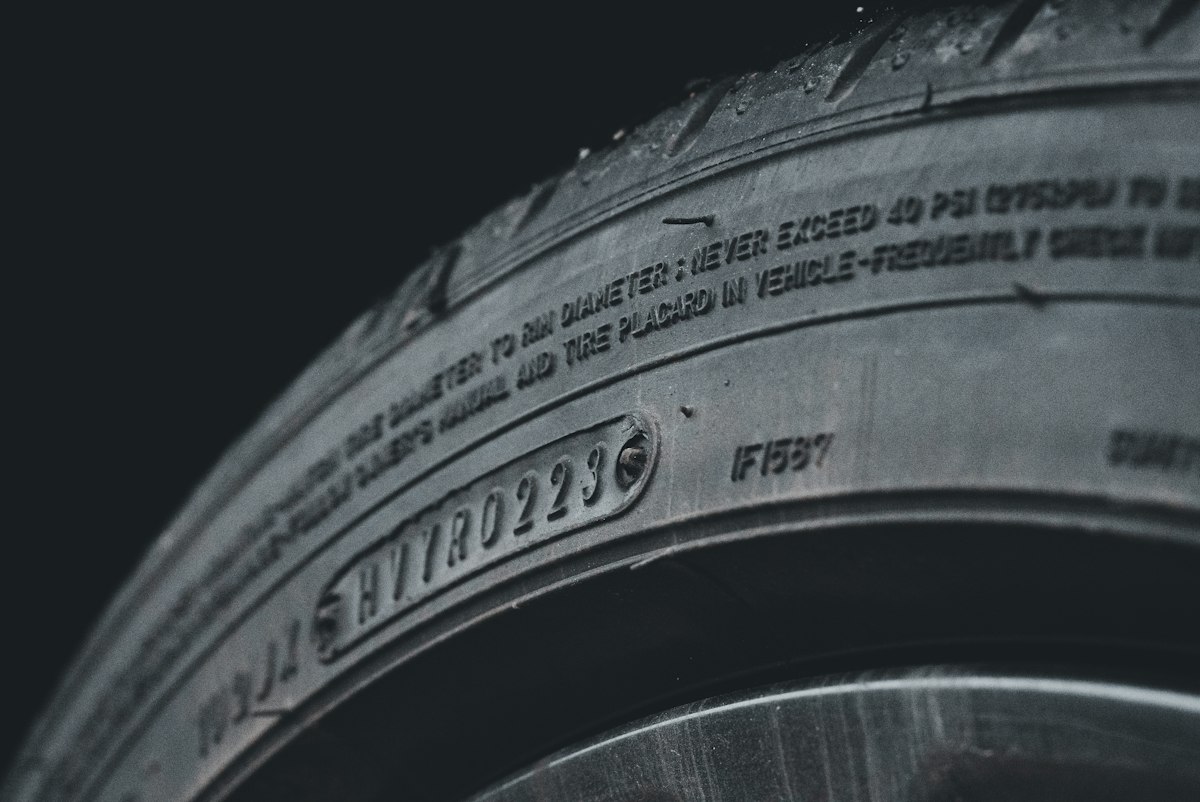
Every tire has a DOT code stamped on the sidewall. The last four digits are the date of manufacture:
- First two digits = week of manufacture (01–52)
- Last two digits = year of manufacture
A code ending in 3521 means the tire was made in week 35 of 2021 — late August 2021.
The easiest way to decode your DOT code is with the TireSpy tire age checker. Enter the last four digits and you'll get an instant safety rating — green, amber, or red — based on your tire type and the age guidelines above.
Don't Forget the Spare
Every manufacturer's age guidance applies to spare tires too. That compact spare or full-size spare sitting in your trunk has been aging since the day it was manufactured — and it doesn't get the benefit of regular use to keep the rubber flexible.
Check the DOT code on your spare the same way you'd check your road tires. If it's over 6 years old, it may not be the safety net you're counting on in an emergency.
What to Do When Your Tires Hit the Age Limit
If your tires are approaching or past the recommended age limits, replacement is the only safe option. No amount of tread depth makes up for aged, hardened rubber.
Browse tires from trusted retailers to find the right replacements — most offer free shipping and can route your order to a local installer. Buying online typically saves 10–20% compared to brick-and-mortar tire shops.
The Bottom Line
Every major tire manufacturer agrees: tires have an expiration date, and it has nothing to do with how they look. Inspect after 5 years, plan for replacement by 6–8, and never exceed 10 — regardless of tread, mileage, or how carefully they've been stored. Check your tire age now and find out where you stand.
Share this article
If it's time to replace them
Tire Rack
America's #1 online tire retailer. Huge selection, competitive prices, and a network of 10,000+ installer locations.
- ✓ 10,000+ installer locations
- ✓ Free shipping
- ✓ 60-day returns
Affiliate link — we may earn a commission at no extra cost to you.
Not Sure If Your Tires Are Safe?
Decode your DOT code and get an instant safety verdict — free, no sign-up required.
Decode Your DOT Code Free